
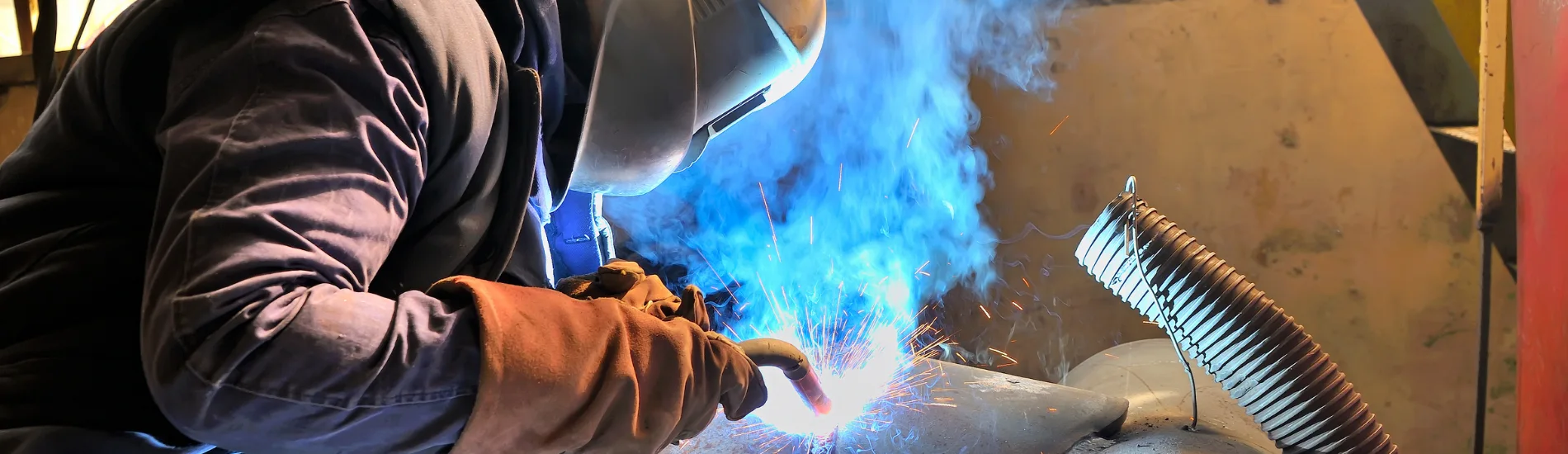
Ensuring Structural Safety with EN ISO 9606-1 Welder Certification

In the high-stakes world of heavy manufacturing and construction, the integrity of a single joint can determine the safety of an entire infrastructure. Therefore, achieving EN ISO 9606-1 compliance is not merely a bureaucratic step; it is the global benchmark for verifying manual dexterity and skill. This standard acts as the cornerstone for industrial welding standards, ensuring that every operator has proven their ability to produce sound welds under specific conditions. By prioritizing welder certification, companies mitigate the risks of catastrophic failure, while personnel certification provides a verified, traceable record of competence that is recognized across international borders.
Understanding the Scope of EN ISO 9606-1 in Industrial Welding Standards
EN ISO 9606-1 is the specific international standard governing the qualification testing of welders for fusion welding of steels. Unlike its predecessor, EN 287-1, this ISO standard was developed to harmonize qualification procedures globally, bridging the gap between European and international requirements. Its primary objective is to test the welder’s ability to follow written instructions and manually manipulate the welding torch to produce a defect-free weld. It focuses strictly on the welder’s hand skills, separating the human element from the welding procedure itself.
The standard operates on the principle of “essential variables.” This means that a welder is not just certified to “weld steel,” but is qualified for specific ranges of variables such as the welding process (e.g., TIG, MIG/MAG, MMA), product type (plate or pipe), and weld geometry (butt or fillet). These variables define the range of qualification; for instance, a welder certified on a difficult position like H-L045 (pipe fixed at a 45-degree angle) is typically qualified for easier positions, but not vice versa. Understanding these ranges is crucial for project managers to ensure their workforce is legally covered for the specific tasks at hand.
Furthermore, industrial welding standards like ISO 9606-1 are dynamic. They are updated to reflect technological advancements in welding consumables and equipment. The standard dictates that the test piece must simulate production conditions as closely as possible. This ensures that the certification is not just a theoretical exam but a practical demonstration of capability. By adhering to this rigorous scope, industries such as oil and gas, automotive, and structural engineering maintain a uniform baseline of quality that protects both the asset and the public.
The Procedure for Obtaining Welder Certification
The journey to obtaining welder certification begins with a Preliminary Welding Procedure Specification (pWPS). This document outlines the parameters the welder must follow during the test, including current, voltage, travel speed, and consumable specifics. The welder must execute the test coupon in the presence of an examiner or examining body. This witnessing phase is critical to ensure that the welder performed the work without unauthorized aid and strictly adhered to the variables listed in the pWPS.
Once the welding is completed, the test coupon undergoes rigorous examination. Initially, a visual inspection is conducted to check for surface imperfections such as undercut, porosity, or poor profile. If the visual inspection passes, the coupon moves to more advanced testing methods. Depending on the standard’s requirement for the specific joint, this involves Destructive Testing (DT), such as bend or fracture tests, or Non-Destructive Testing (NDT), such as volumetric radiographic or ultrasonic testing.
Only if the test piece passes all these stringent criteria is the welder certification awarded. The certificate itself is a legal document detailing the specific essential variables the welder is qualified for. It acts as a passport for the welder’s career, proving their capability to potential employers and quality auditors. It is important to note that the certification belongs to the welder, but it is often the employer’s responsibility to manage and maintain these records as part of their overall Quality Management System.
The Role of Personnel Certification in Quality Assurance
Personnel certification serves as the human firewall against structural failure. While automated welding systems are consistent, manual welding is subject to human variables—fatigue, technique, and judgment. Certification ensures that the person behind the mask has demonstrated a minimum acceptable skill level. In industries dealing with pressure vessels or load-bearing structures, relying on uncertified labor is a liability that can lead to legal prosecution and massive financial loss in the event of an accident.
From a quality assurance perspective, certification streamlines the project workflow. When a company employs welders who hold valid personnel certification, the likelihood of weld repairs drops significantly. Repairs are costly, not just in terms of labor and materials, but in project delays. A “Right First Time” approach is only possible when the workforce is competent. Therefore, the certificate acts as a predictor of quality, giving clients and stakeholders confidence that the fabrication will meet the design lifespan.
Moreover, independent bodies that issue these certifications add a layer of impartiality. Because the examiner is a third party, the certification validates that the welder’s skill has been objectively assessed against the EN ISO 9606-1 criteria, free from internal company bias. This third-party endorsement is often a mandatory requirement in contract tenders for government infrastructure or high-risk industrial projects, making it a critical business asset.
Maintaining the Validity of EN ISO 9606-1
A common misconception is that EN ISO 9606-1 certification is valid indefinitely; in reality, it requires active maintenance. The standard typically offers a few routes for revalidation, usually involving a confirmation every six months. A welding coordinator or supervisor must sign off that the welder has been working within the range of their qualification and that there has been no specific reason to question their skill and knowledge. If this six-month signature is missed, the certificate technically expires, and the welder may need to retest.
In addition to the six-month confirmation, the certificate has a fixed lifespan, typically two or three years, depending on the route chosen during the initial qualification. Upon the end of this period, the welder often needs to undergo a new practical test or provide documented evidence of weld quality (such as volumetric NDT reports) from production welds. This periodic re-evaluation ensures that the welder’s skills have not degraded over time and that they have adapted to any changes in the industrial welding standards.
This maintenance process highlights the importance of the Welding Coordinator. Companies must implement a tracking system to monitor expiration dates. Failing to renew a certificate before a major audit can halt production lines and void insurance policies. Therefore, the management of these documents is as critical as the welding itself, requiring a disciplined approach to documentation and personnel tracking.
Global Trade and Compliance with Industrial Welding Standards
Adhering to industrial welding standards is essential for companies aiming to export structural steel or pressure equipment to the European Union and beyond. EN ISO 9606-1 is often harmonized with European Directives, such as the Pressure Equipment Directive (PED). This means that for a manufacturer to legally affix a CE mark to their product, the welders involved in the fabrication must be certified according to relevant ISO standards. Without this, the product cannot legally enter the EU market.
The harmonization provided by ISO standards facilitates international trade by reducing technical barriers. A welder certified to EN ISO 9606-1 in Turkey, for example, is recognized in Germany, France, or the UK without the need for re-testing, provided the certification body is recognized. This mobility of labor and recognition of personnel certification allows multinational construction companies to mobilize teams quickly for global projects, ensuring a consistent standard of workmanship regardless of the project location.
Finally, the trend toward stricter compliance is growing. As infrastructure ages and safety regulations tighten, asset owners are demanding higher traceability. Digital welding passports and cloud-based verification systems are becoming the norm, allowing inspectors to instantly verify a welder’s status on-site. Manufacturers who view EN ISO 9606-1 not as a hurdle, but as a strategic tool for market entry, will find themselves better positioned to secure lucrative international contracts.
External References
- ISO (International Organization for Standardization): ISO 9606-1:2012 – Qualification testing of welders
- TWI (The Welding Institute): Technical Knowledge: Welder Qualification
- European Commission: Pressure Equipment Directive (PED)